Creative Pathways to Resilience
Cinema, Education and Art Therapy in Switzerland

Resilience begins when people are given safe spaces to reflect, express and reconnect.
Through cinema, guided dialogue and art therapy, SANCHILD created educational and creative spaces in Switzerland to support young people and refugees on their path toward self-care, dignity and inner peace.
Between 2022 and 2024, SANCHILD developed Creative Pathways to Resilience, a Swiss initiative bringing together two complementary approaches: cinema as a tool for education, and art therapy as a pathway for expression, resilience and human connection.
The project was designed to help young people and refugees approach difficult experiences with care: whether through film screenings and classroom dialogue around memory and resilience, or through creative workshops supporting expression, self-care and inner peace.
Cinema as a Tool for Education
One of the Swiss initiatives developed by SANCHILD was Cinema as a Tool for Education, created in collaboration with Cineworx.
The project was built on a simple but powerful idea: cinema can be more than entertainment. When supported by the right educational framework, it can become a space for critical thinking, emotional awareness and meaningful dialogue.
Young people today are constantly exposed to images. Yet being surrounded by images does not necessarily mean knowing how to read them. This project aimed to help students move from passive viewing to active reflection: asking what a film tells us, how it makes us feel, what techniques shape our emotions, and what message the director may be trying to convey.
Through film screenings, pedagogical materials, guided discussions and the presence of qualified speakers, students were invited to engage with complex themes in a structured and sensitive way.
The objective was not only to watch a film, but to learn how images can shape perception, emotion and understanding.
Learning from Memory, History and Resilience
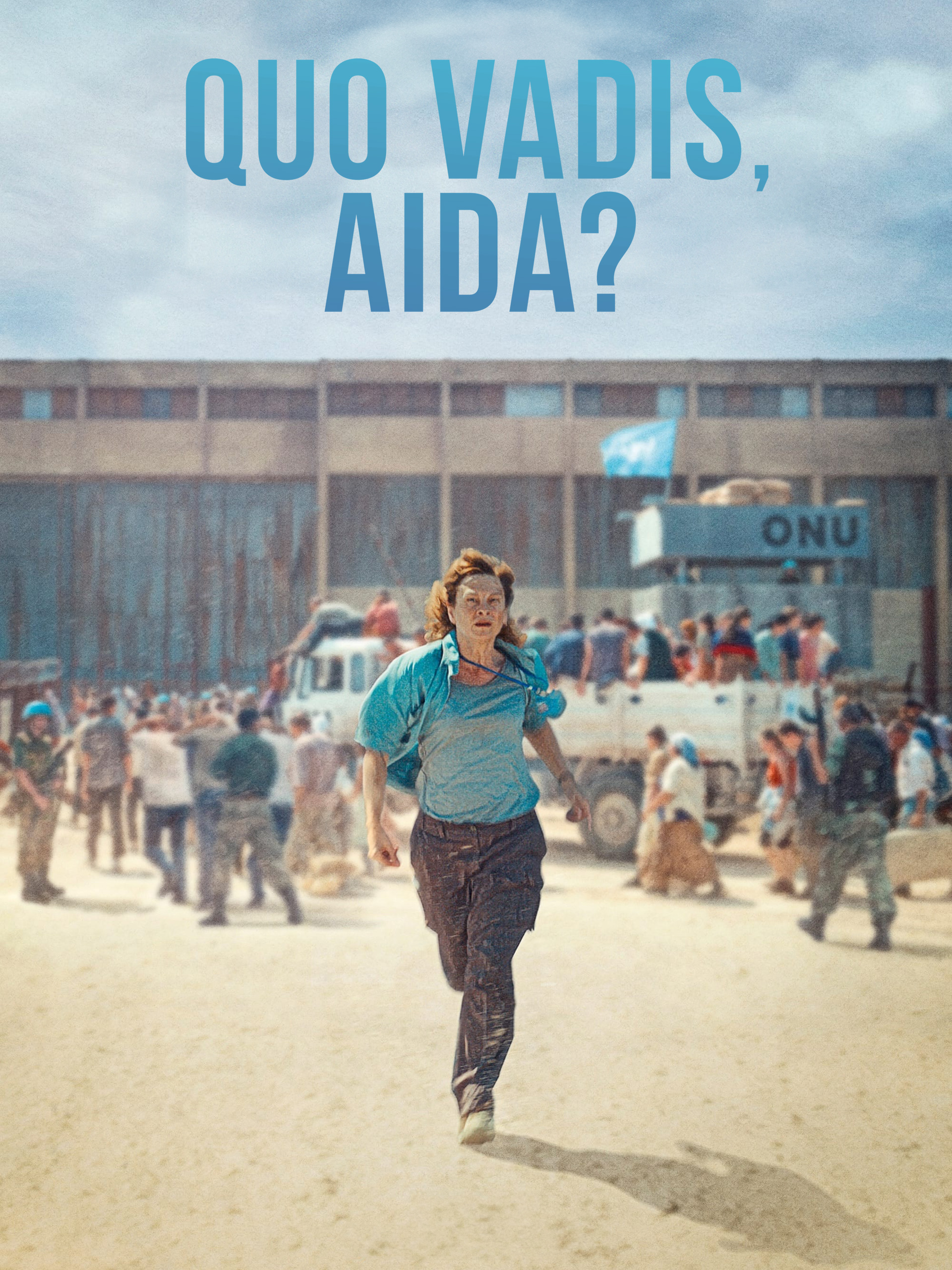
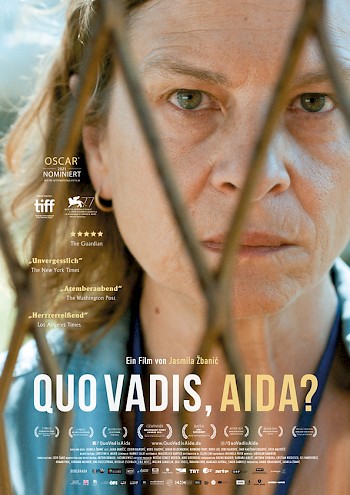
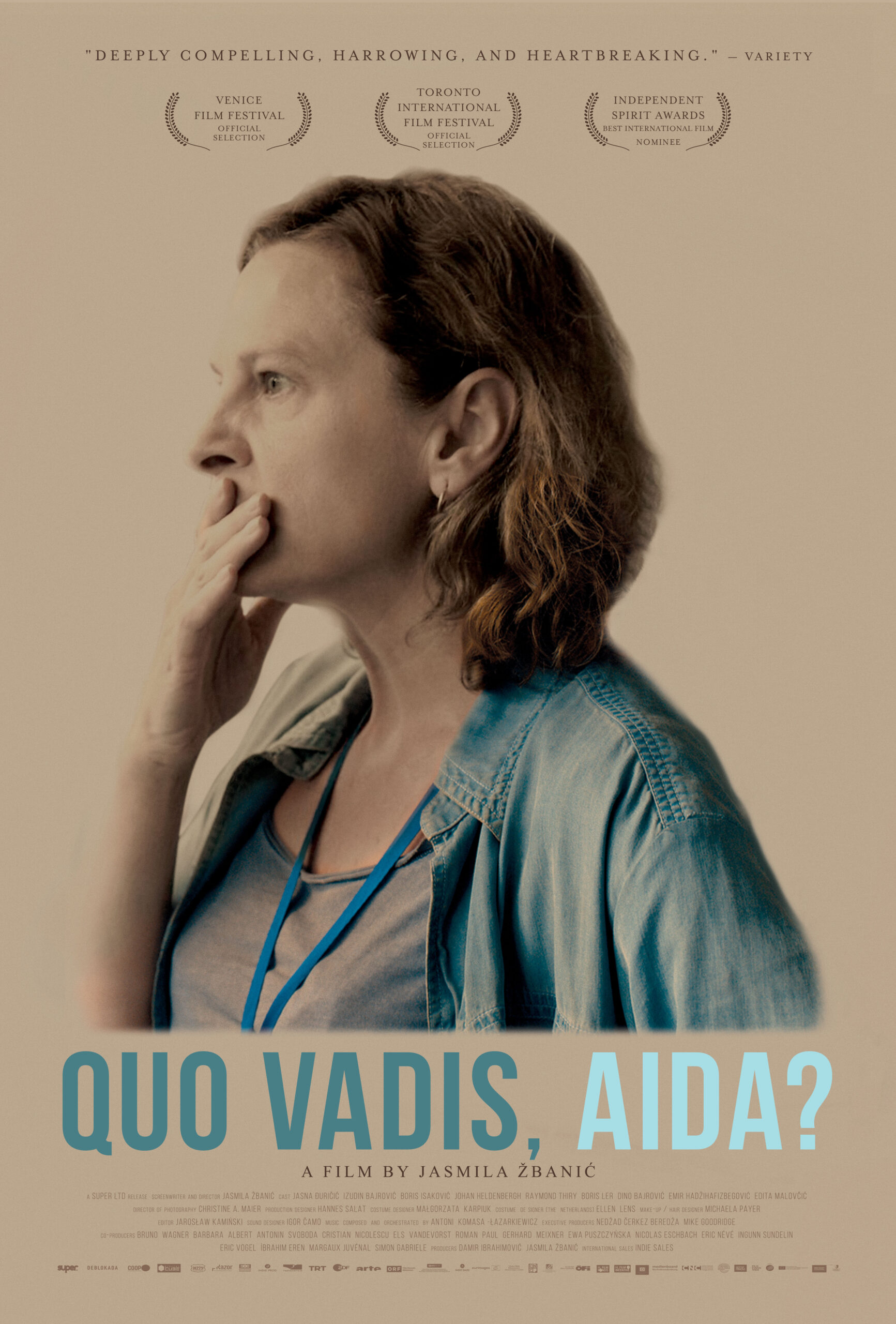
A central example of this educational approach was the use of the film Quo Vadis, Aida?, which addresses the genocide of Srebrenica.
Through this film, SANCHILD and its partners created space for students to explore the memory of the Bosnian war, the consequences of genocide, the impact of forced displacement and the meaning of resilience.
The project included pedagogical materials that allowed teachers and students to continue working on these themes in the classroom. It also involved testimonies from survivors, offering students a human and deeply grounded perspective on historical events that are often underrepresented in school curricula.
At the ECCG of Martigny, SANCHILD developed a sustained educational collaboration around resilience, using film, testimony and guided reflection to help students approach the history of the former Yugoslavia and the memory of Srebrenica with care.
The experience resonated beyond the screening itself, inspiring students to explore related themes in their diploma work — from the geopolitical context of the former Yugoslavia to its consequences in Swiss society, war trauma and resilience.
This educational work reflects an essential dimension of peacebuilding: learning from the past not to remain trapped in it, but to develop awareness, empathy and responsibility in the present.
Art Therapy and Social Work
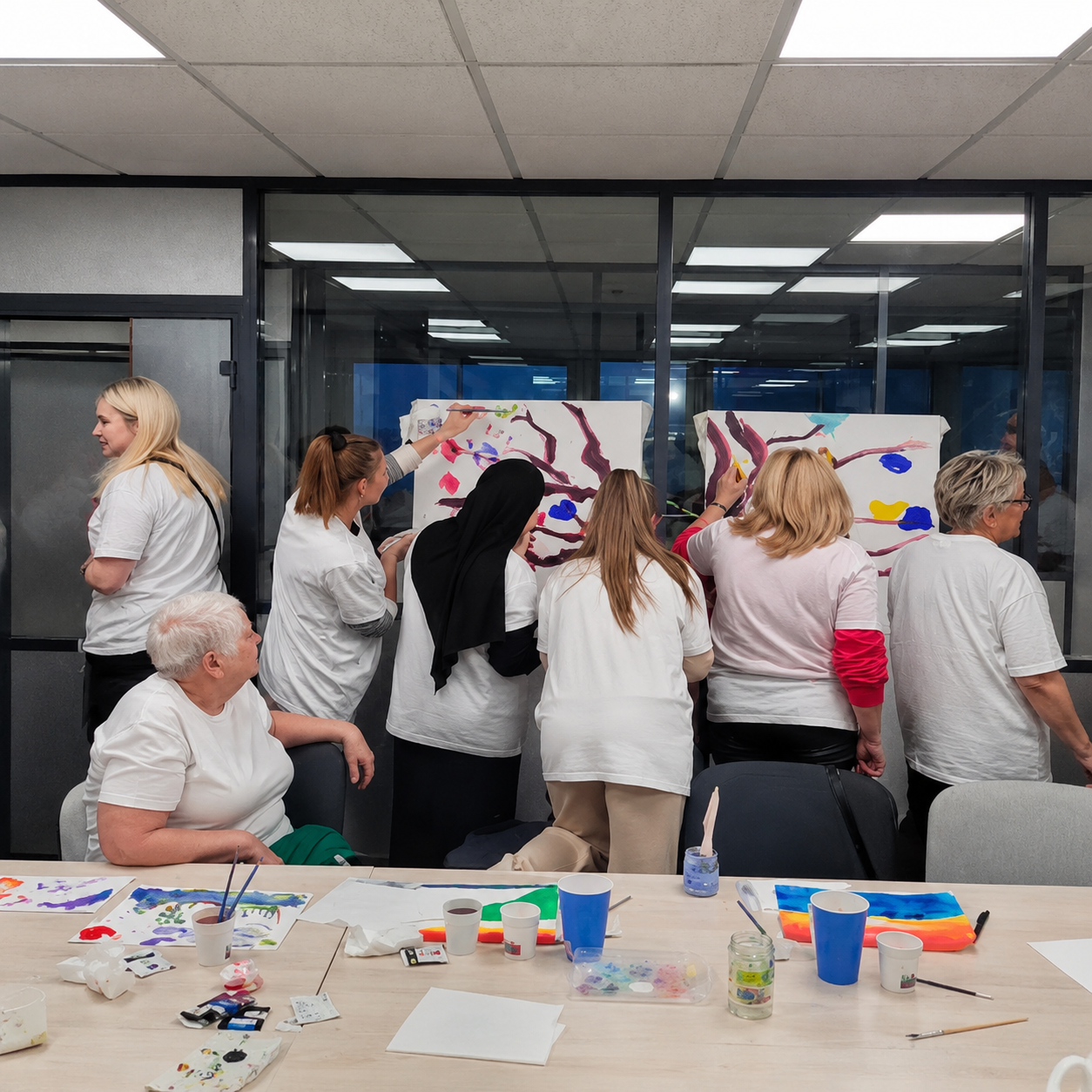
Alongside the cinema component, SANCHILD developed the Harmony Project in French-speaking Switzerland, focused on art therapy and social work.
The initiative was designed for refugees in Switzerland, including young people and adults. Its objective was to support resilience by offering safe creative spaces for expression, self-care and inner peace.
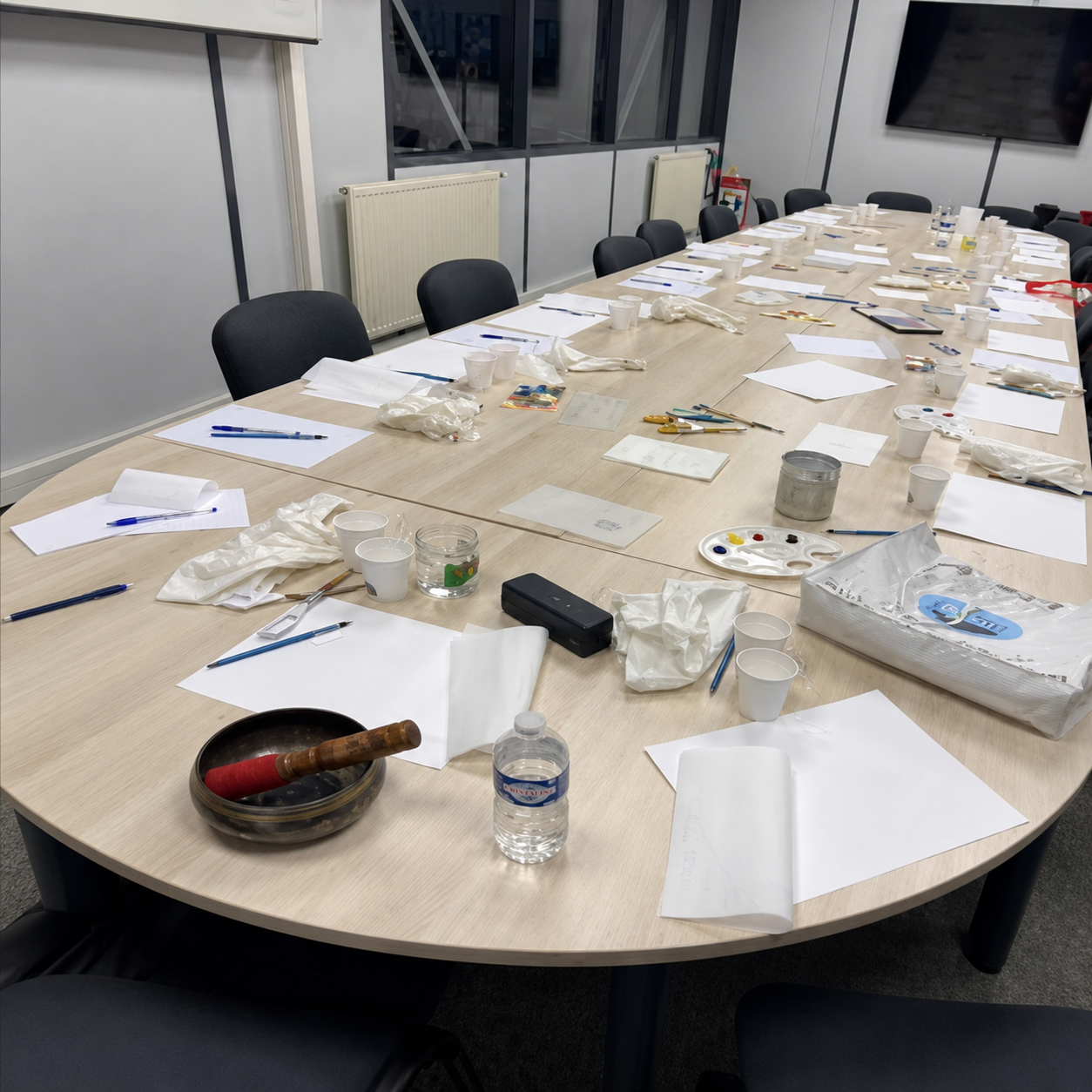
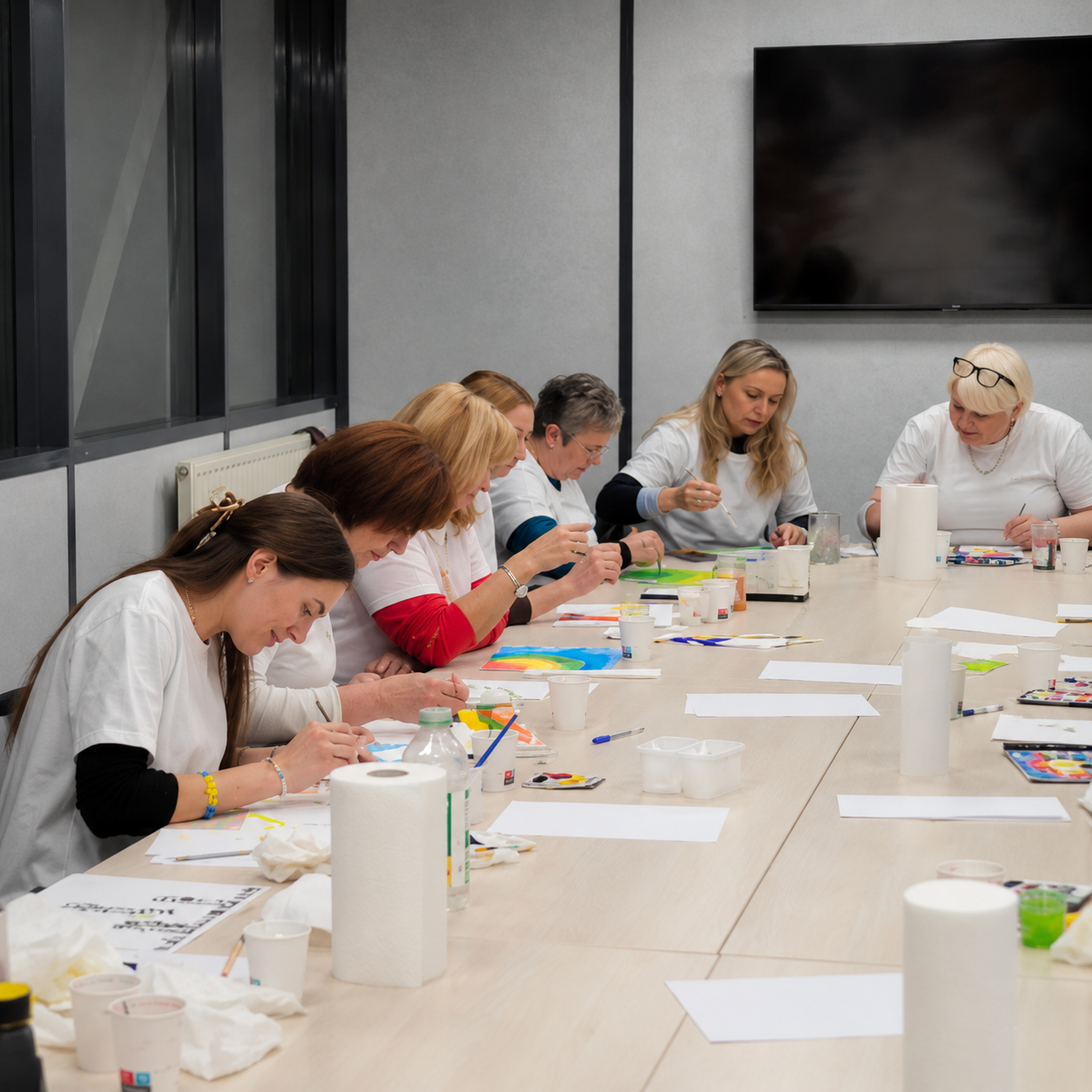
Activities included writing and drawing workshops, shared meals, painting, candle-making, cosmetic product creation and moments of exchange.
These workshops were created as spaces of care, where participants could express difficult experiences, reduce stress and reconnect with self-esteem, harmony and dignity.

The Ripple Effect