Mental Health Matters 3.0
Supporting Teachers, Strengthening Communities

Mental health is not only an individual concern. In schools, it shapes relationships, learning environments and entire communities.
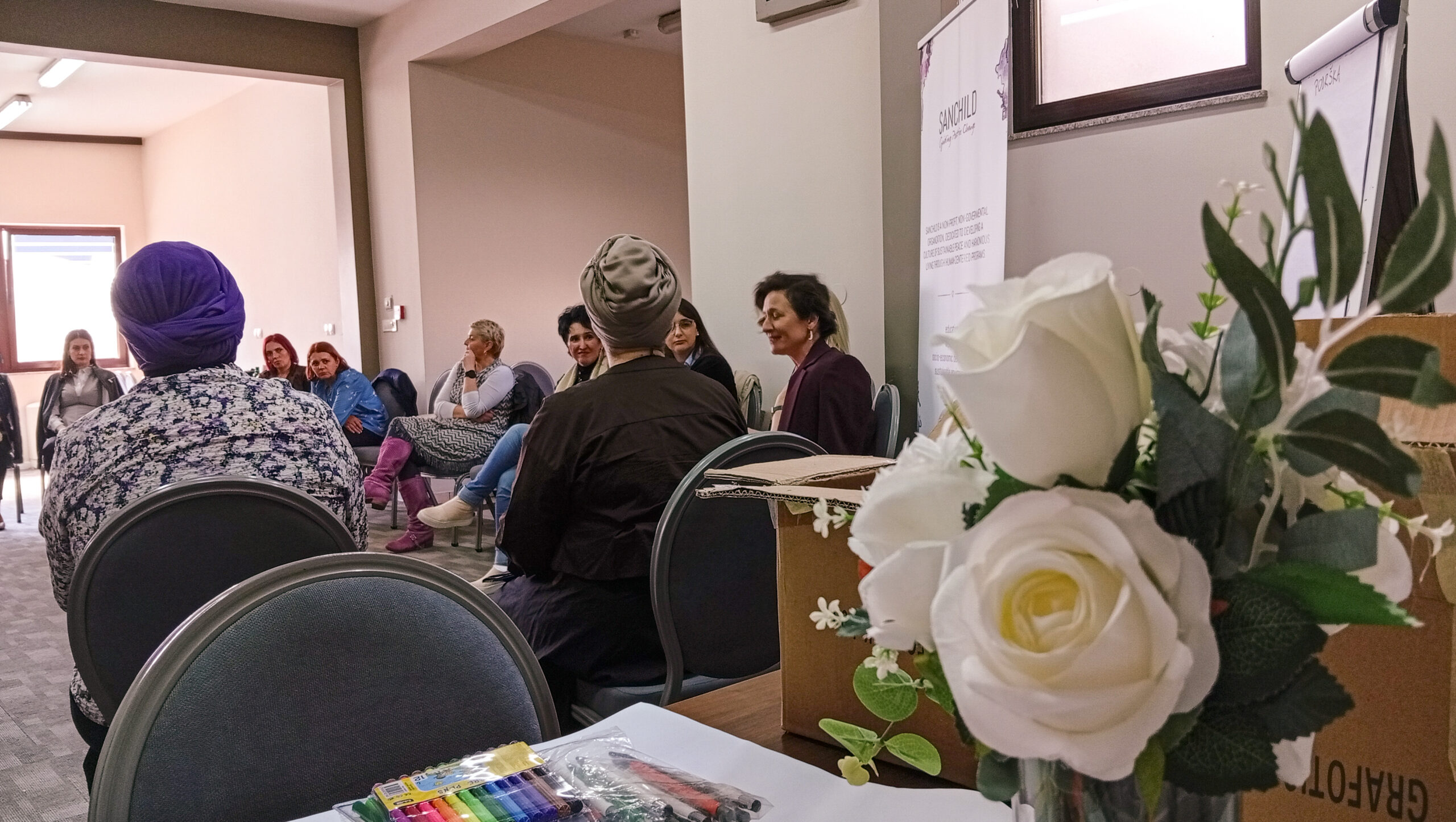
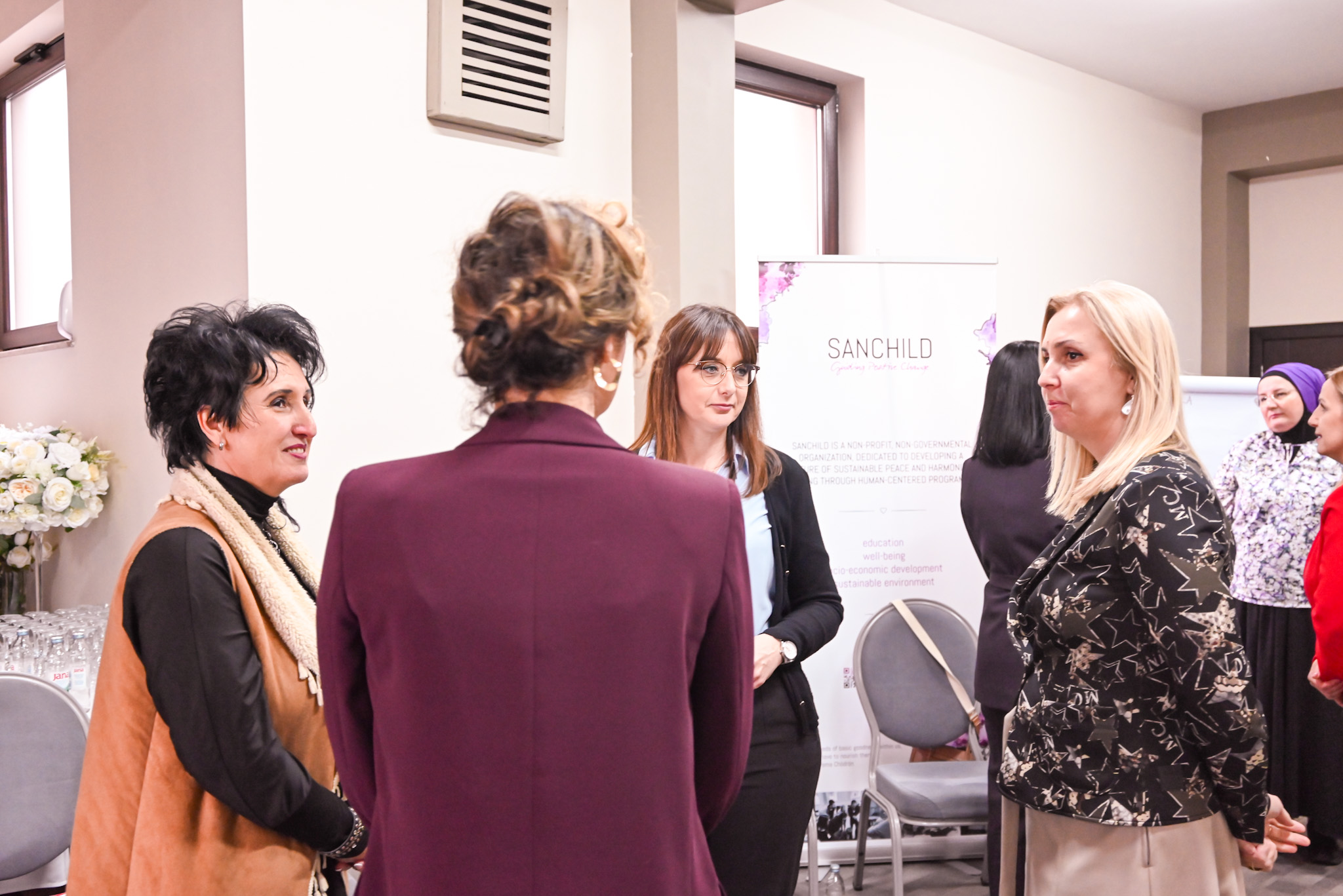
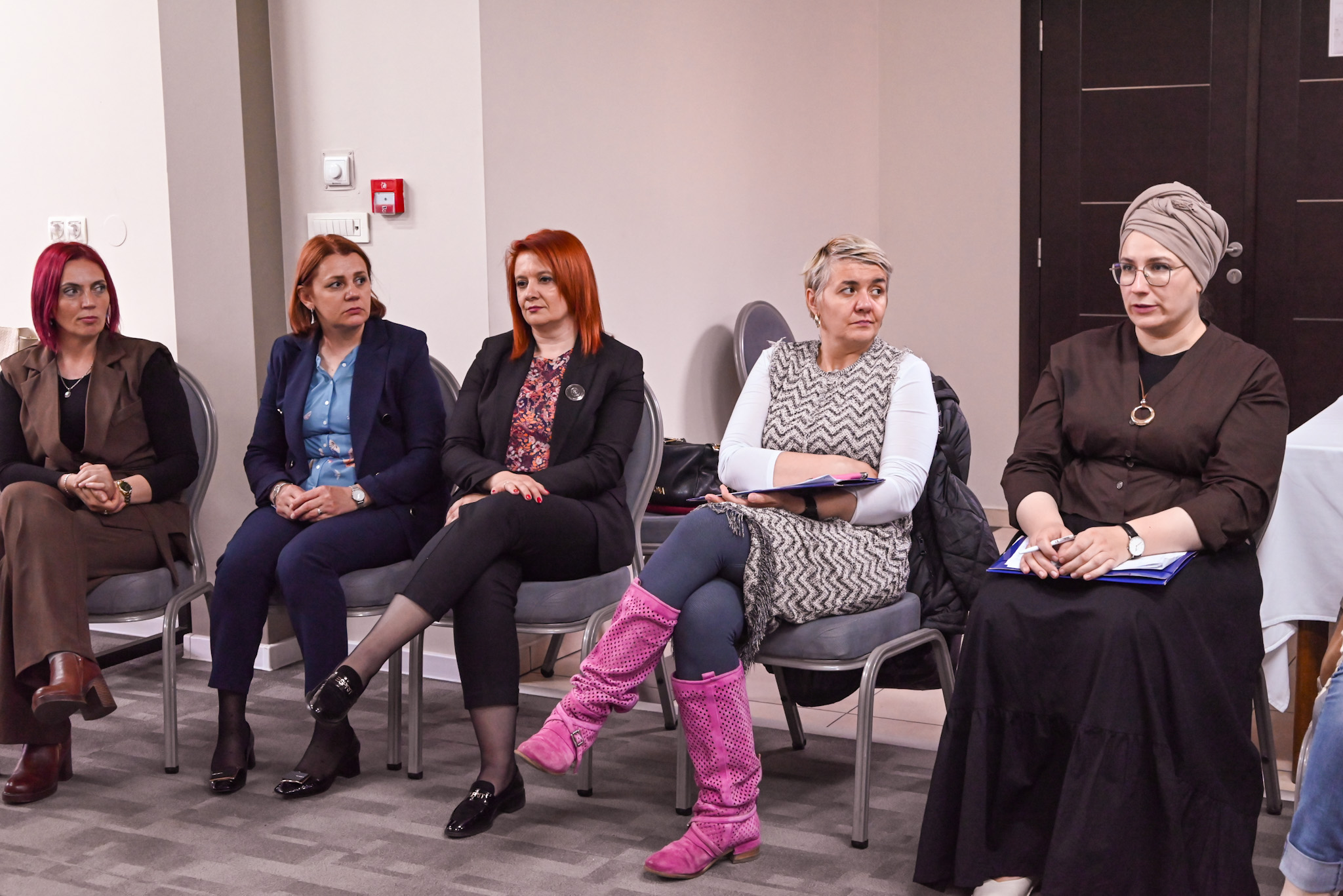
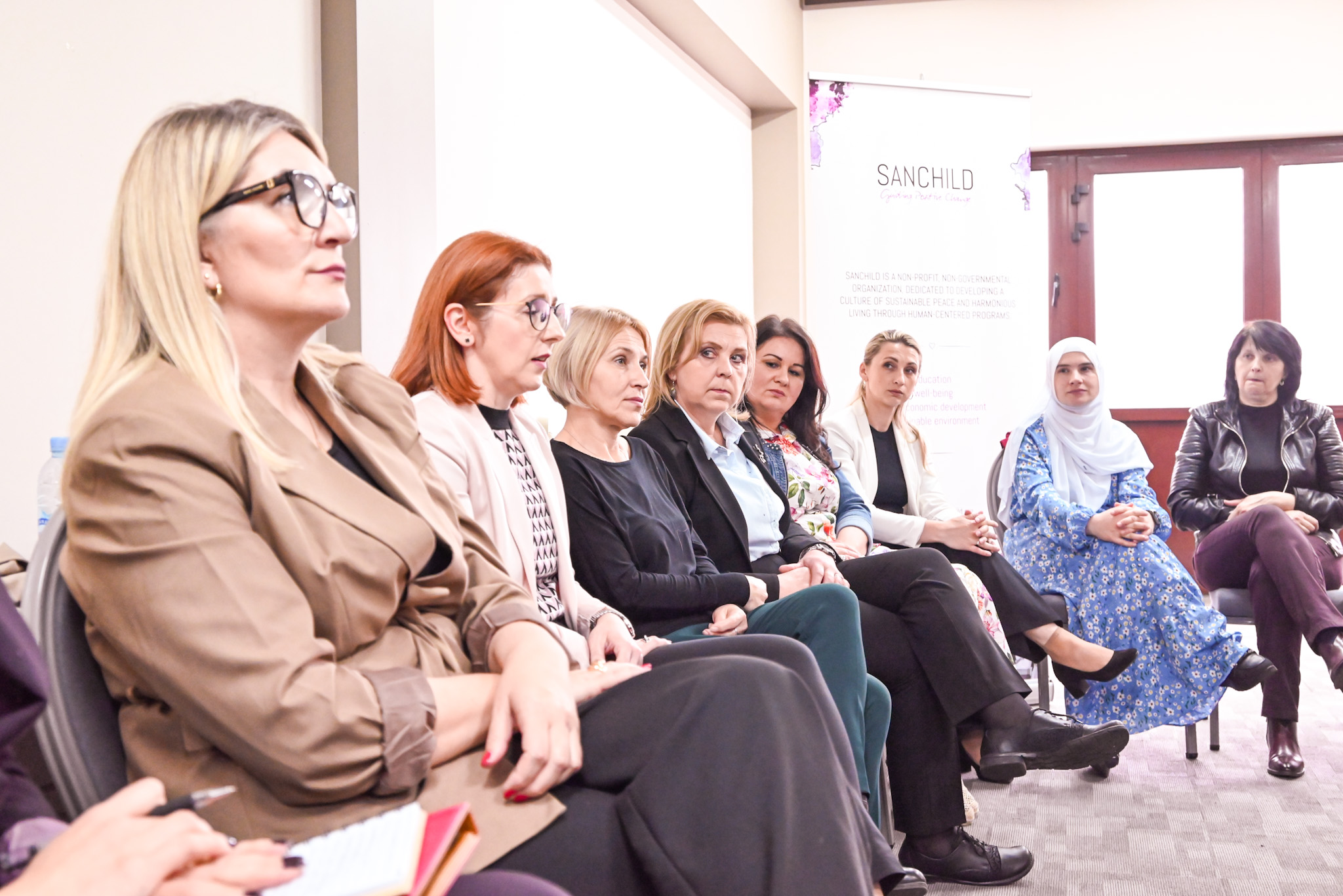
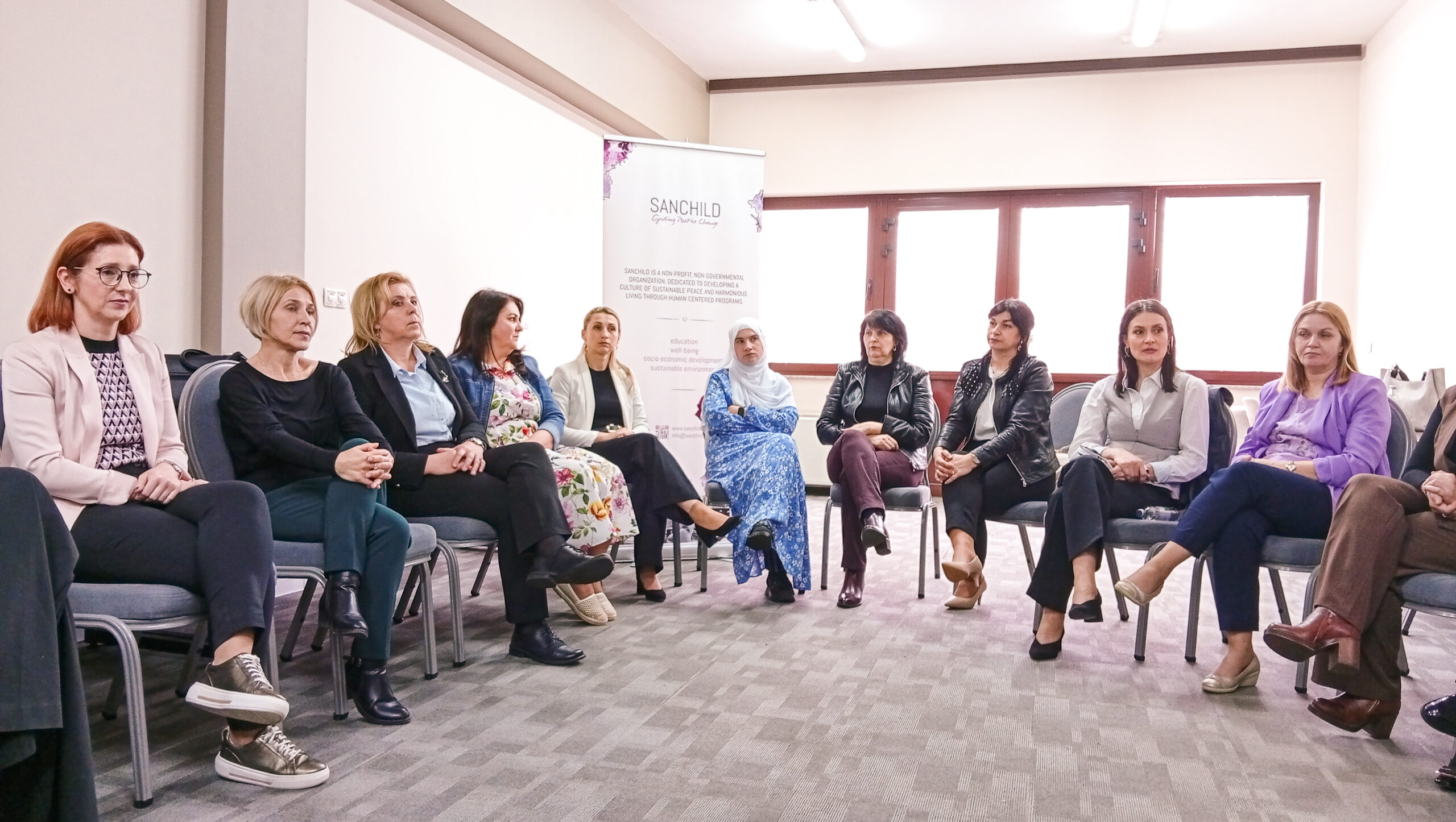
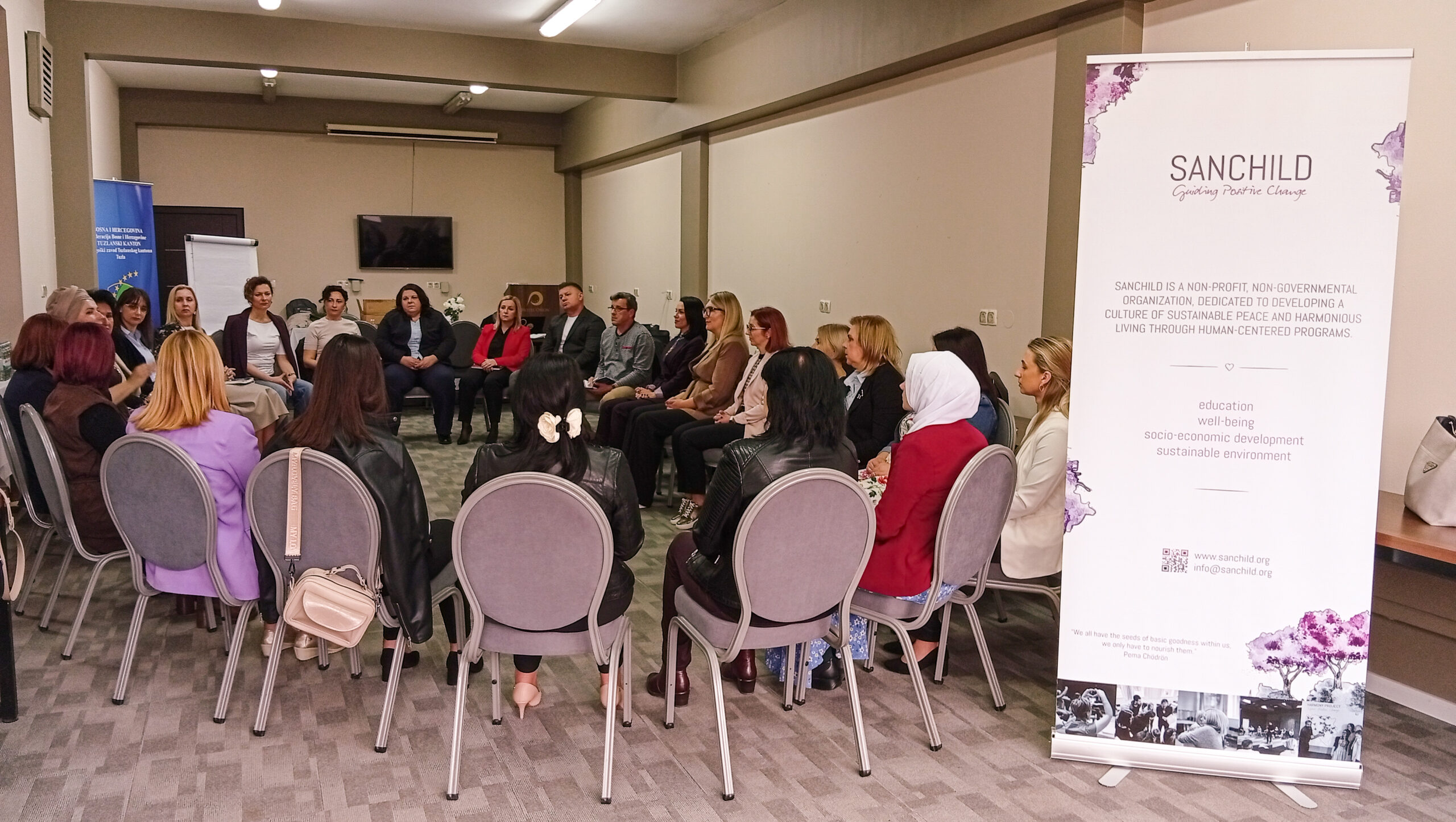
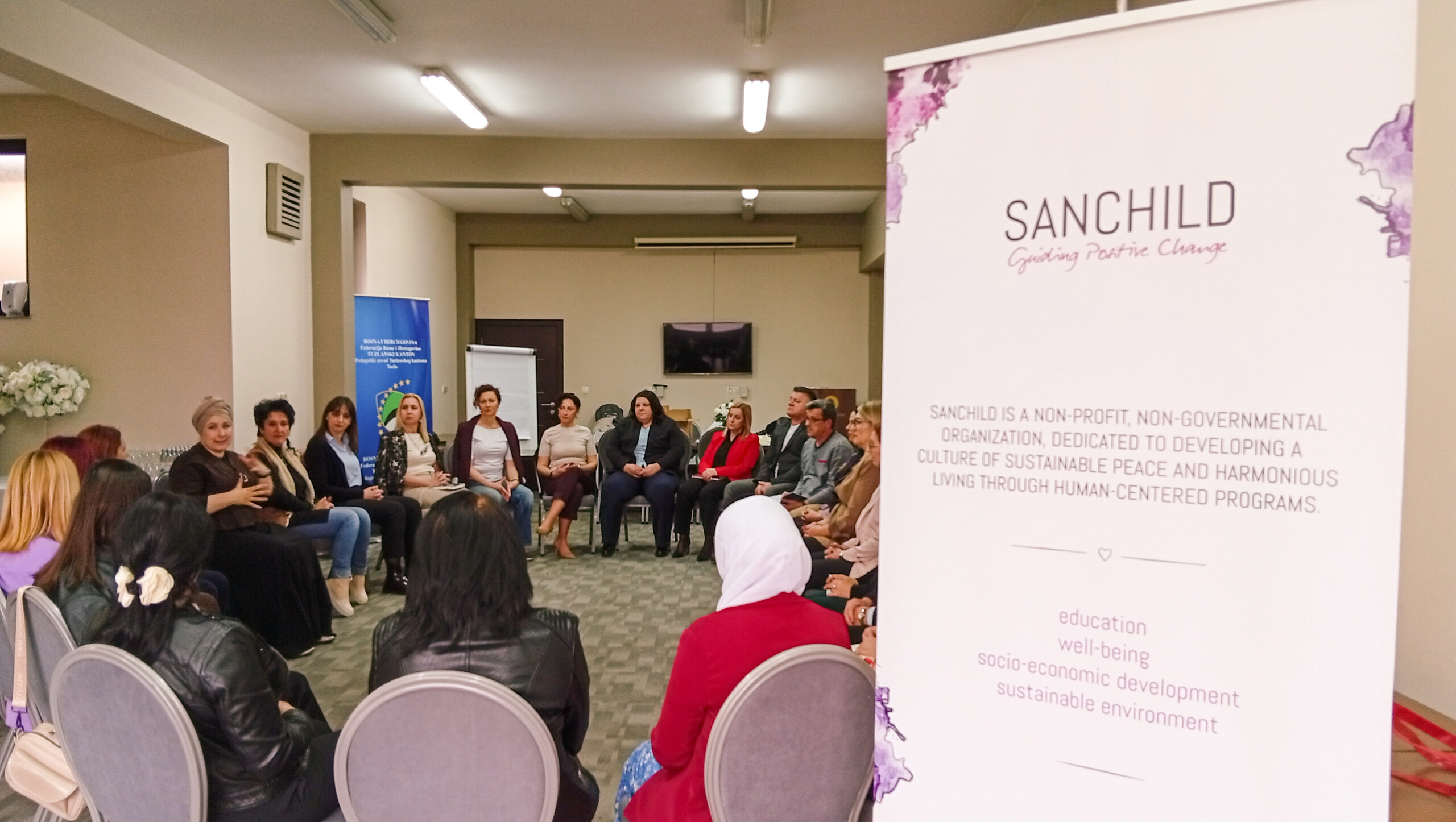
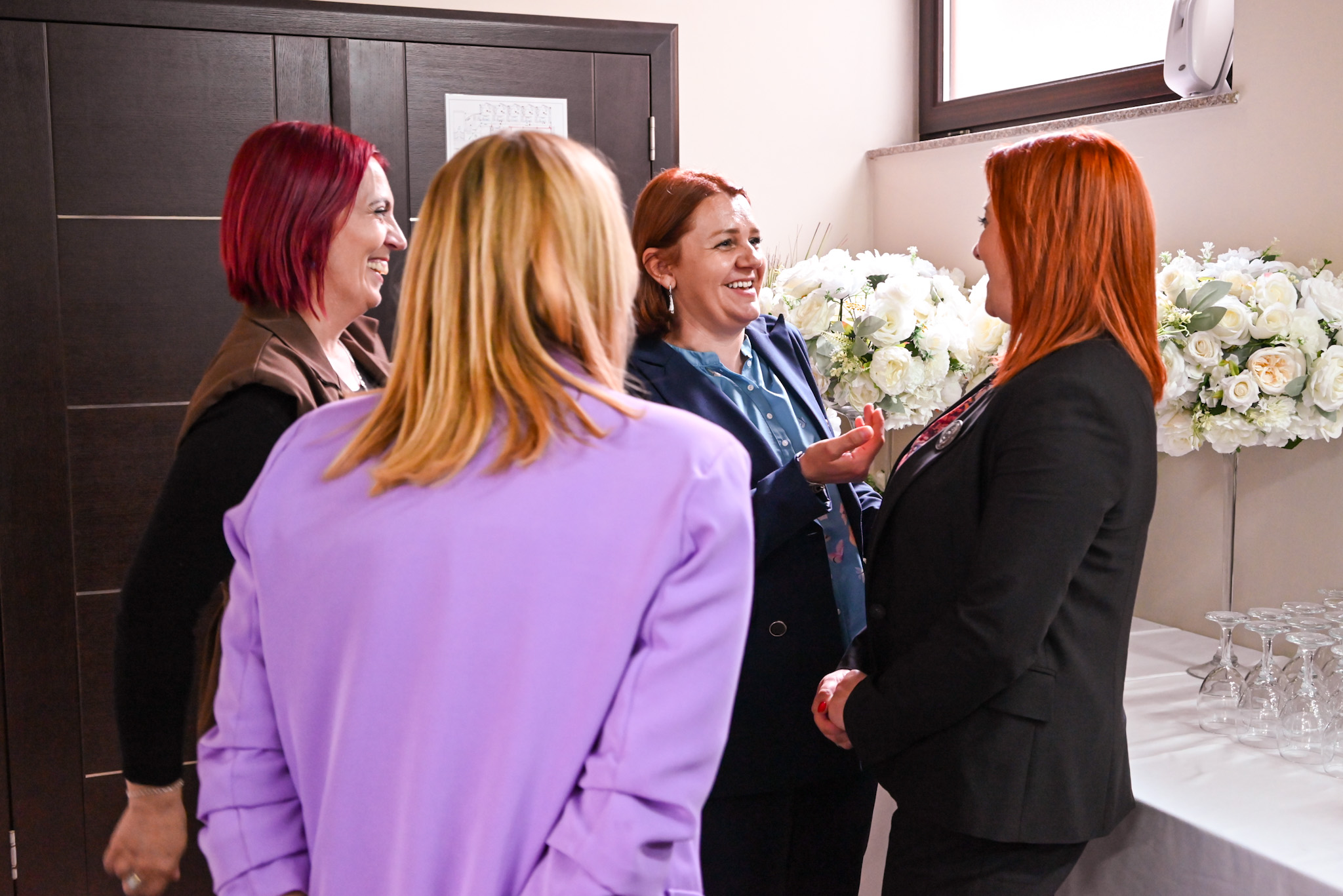
On April 20 and 21, 2026, a new edition of Mental Health Matters took place in Tuzla Canton, Bosnia and Herzegovina, bringing together 28 teachers from 19 schools for two days of workshops dedicated to mental well-being, emotional awareness and community resilience.
This initiative is part of the wider HARMONY Ripple Effect: the long-term impact created when Harmony alumni bring the tools, values and methodologies of the Harmony Project back into their own communities.
Why Supporting Teachers Matters
Teachers today face increasing levels of stress, emotional pressure and responsibility. Their role extends far beyond the classroom: they often become the first adults to notice when a young person is struggling.
Supporting teachers’ mental well-being is therefore essential not only for educators themselves, but also for students, schools and wider communities.
By strengthening teachers’ capacity to recognize, understand and respond to emotional challenges, Mental Health Matters contributes to healthier school environments and more resilient communities.
to share that in the most recent phase of the Mental Health Matters project, we successfully held a total of 9 workshops in 4 different locations, reaching:
A Ripple Project Led by a Harmony Alumna
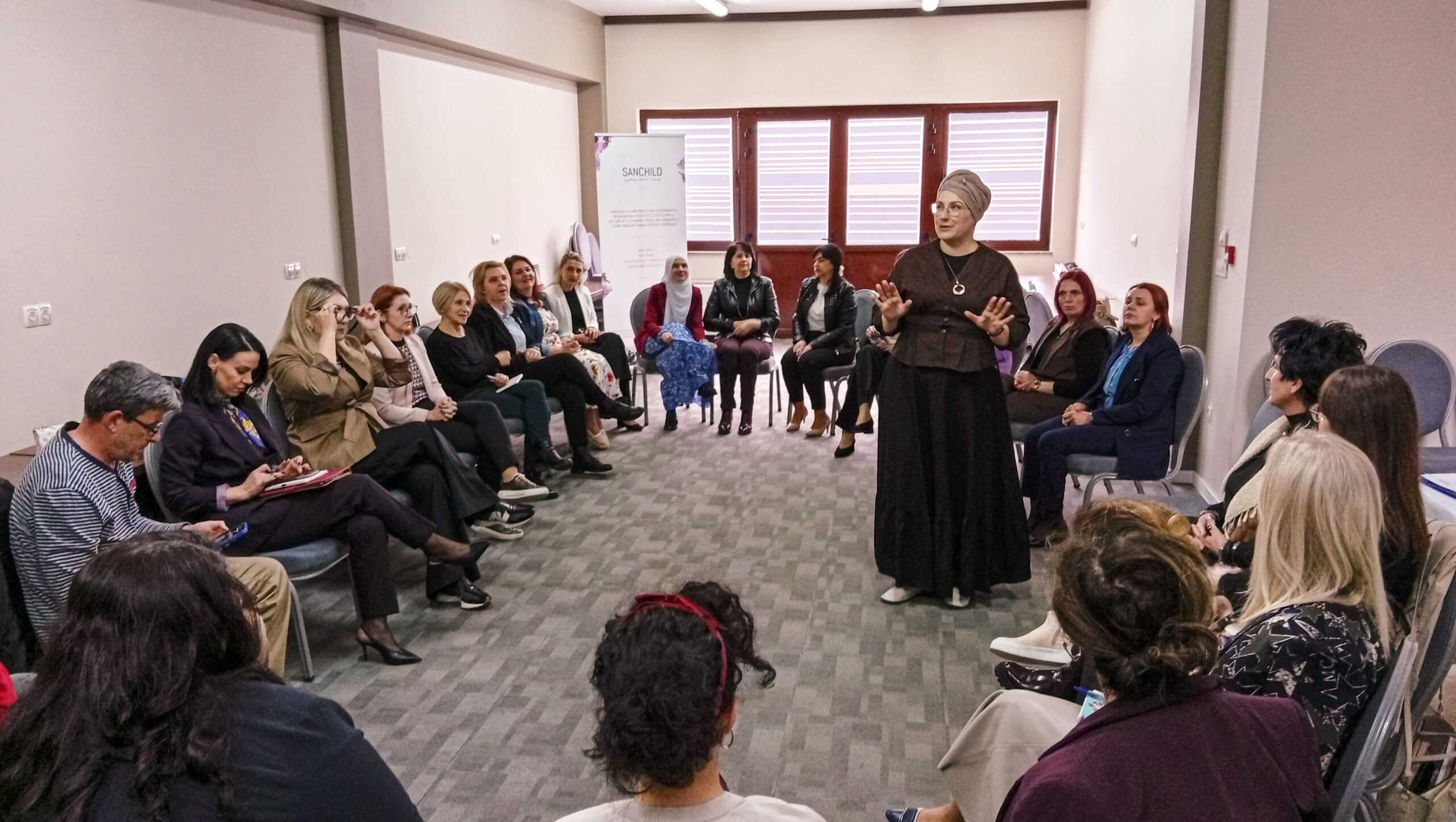
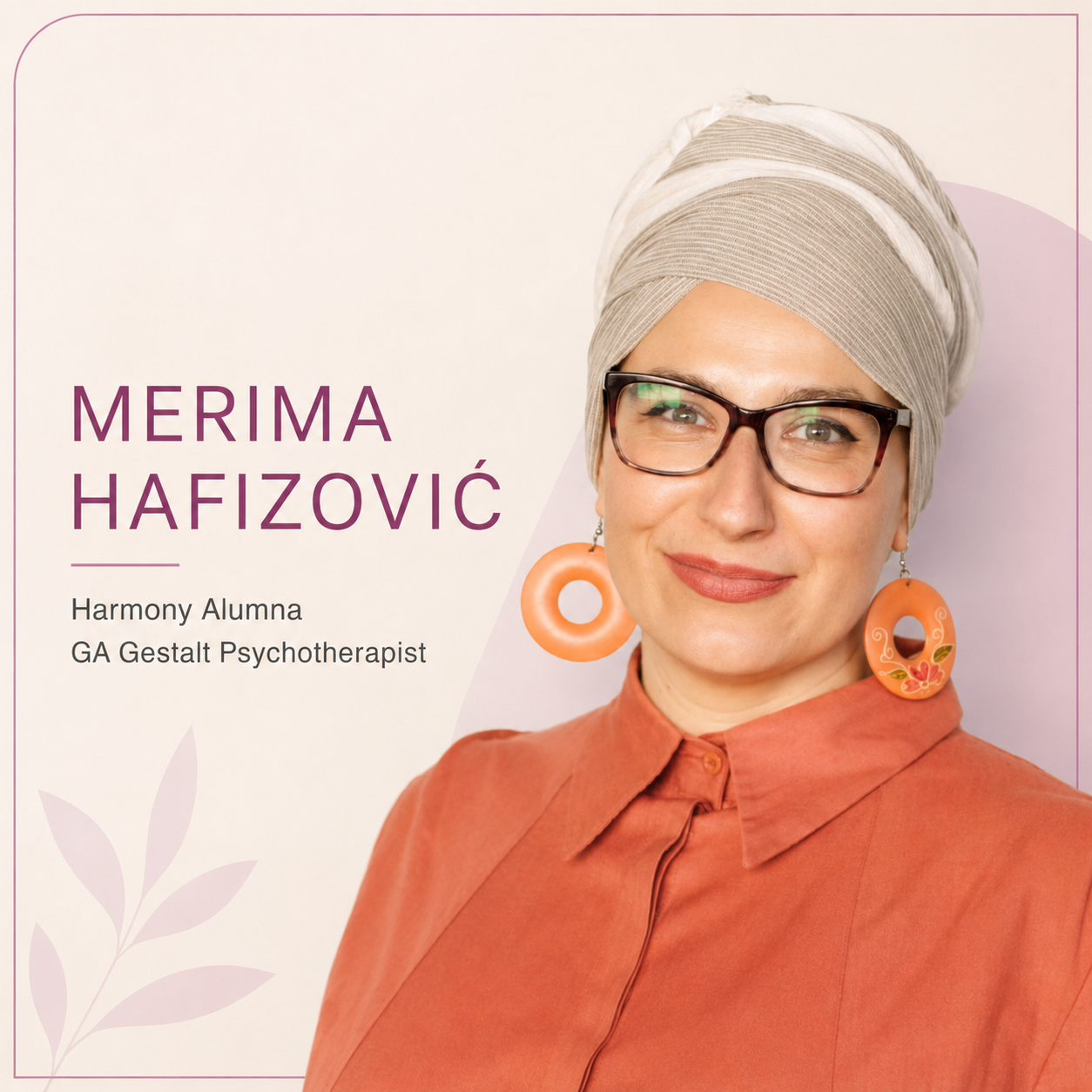
The workshop was led by Merima Hafizović, a Harmony alumna and GA Gestalt Psychotherapist, who continues to transform her Harmony experience into meaningful community action.
Through her work, Merima supports educators in understanding the emotional challenges faced by students and teachers, while helping create safer, more supportive and more human-centered school environments.
Mental Health Matters 3.0 reflects one of the core ideas of the Harmony Project: when local professionals are supported, they become facilitators of positive change in their own communities.
Project Scope
In this phase of the Mental Health Matters project, SANCHILD successfully held a two-day workshop in Tuzla Canton, Bosnia and Herzegovina, reaching:
28 teachers trained
19 schools represented
Led by Merima Hafizović, Harmony alumna and GA Gestalt Psychotherapist, the sessions combined theory, emotional awareness and practical tools to help teachers better support students’ mental well-being.
By strengthening mental health awareness in schools, the project contributes to the United Nations Sustainable Development Goals, particularly SDG 3: Good Health and Well-being, SDG 4: Quality Education, and SDG 16: Peace, Justice and Strong Institutions.
Local Partnership, Long-Term Impact
Mental Health Matters 3.0 was implemented in collaboration with local partners, including the International Forum of Solidarity – Emmaus and the Pedagogical Institute of Tuzla Canton.
These partnerships are essential to the sustainability of the project. They ensure that the work is anchored in real educational systems, connected to local needs and able to reach beyond the initial training.
This is the Ripple Effect: one training becomes a local initiative, one alumna becomes a facilitator of change, and one workshop can support many more students, teachers and families over time.
From Inner Peace To Collective Change
Mental Health Matters 3.0 is a concrete example of how the Harmony Project continues to grow through alumni-led action.
By bringing mental health awareness into schools, supporting educators and strengthening local partnerships, this initiative contributes to SANCHILD’s broader mission: fostering well-being, resilience, dialogue and long-term peace.
Through projects like this, Harmony continues to show that sustainable change begins within people — and grows through communities.